Book Review: A CURSE OF KRAKENS lands the trilogy masterfully

A Curse of Krakens is the third and final installment of Kevin Hearne’s The Seven Kennings series, which I rounded out fairly quickly on the heels of A Plague of Giants and A Blight of Blackwings.

A Curse of Krakens is a fantastic finale to the Seven Kennings trilogy. Oddly enough, I feel like I don’t have much to say about this specific book, because it so wonderfully builds upon the themes and characters of the first two novels and brings them to a fulfilling conclusion (alongside some exciting climactic moments, of course).

As a finale, this story expertly builds upon the narratives of its predecessors while elevating the story’s themes to a fulfilling ending. The pervading themes of grief, loss, and the characters’ ability to pick up the pieces and strive for a better future, both as individuals and as a collective, ring true to the end of the story. In fact, that eagerness to build something better from the rubble is exactly where this story lands.

I could see a scenario where a reader may find this overarching theme too “preachy”, but I find the optimistic, hopeful ethos of this world to be refreshing in a genre that is so often dominated by grim characters and grimmer worlds. I can’t think of a single thread from this sprawling story that was left untied by the book’s end. A Curse of Krakens really is the most fitting end to this series I can imagine.

Steve D


Book Review: A BLIGHT OF BLACKWINGS leaps above middle book syndrome

A Blight of Blackwings is the second installment of Kevin Hearne’s The Seven Kennings series, and I could not resist diving straight into it after I finished A Plague of Giants a few weeks back.

As with the first book, I greatly enjoyed A Blight of Blackwings, which felt somewhat different from its predecessor and deftly maneuvered around the dreaded middle book syndrome.

Hearne achieved this by lacing this book with its own somewhat contained narrative threads that appeared separate from the larger series plot. The introduction of characters like Pen, Hanima, and Koesha enriched the plot without making the reader feel over-burdened with new voices. After being given the proper time to develop in their own right, each new character ended up serving the larger narrative in their own ways, without becoming subsumed by it.

Where some middle books, especially in trilogies, struggle to maintain narrative momentum, Hearne provides tangible story progression that is not wholly divorced from the wider series, so the reader does not feel like they are just getting “filler” content before the finale.

Hearne also manages to hit similar emotional stakes in this book as the first. Grief, and the myriad ways in which characters process their grief, is a significant and explicit theme in the first book. Grief and loss play just as important a role in Blackwings, but in a much different way.

Where the first book used dramatic scenes to demonstrate the power of grief – and anger, and sorrow, and despair – Blackwings focuses this poignancy on smaller, more intimate scenes that deepen the reader’s connections with the characters.

In short, A Blight of Blackwings both inherits and expands upon its predecessor’s themes, creating a story that builds upon the series without feeling repetitive.

I’ve already started book three.

Steve D

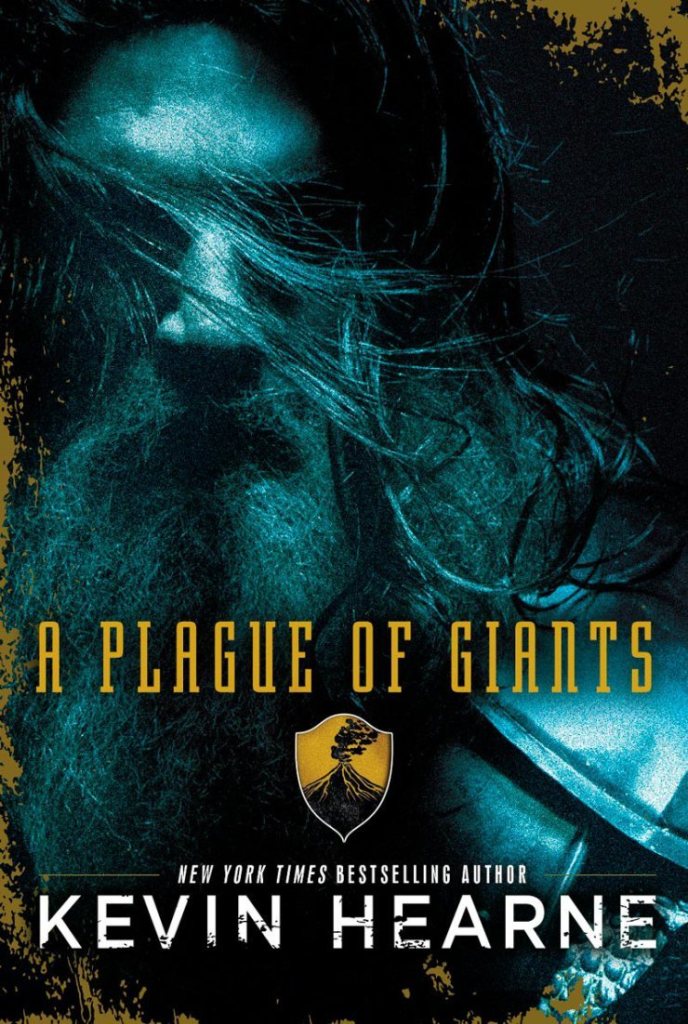
Book Review: A PLAGUE OF GIANTS is a superbly intricate story

A Plague of Giants by Kevin Hearne, the first in his Seven Kennings series, has been on my radar for far too long. I finally got this book on audiobook, and man, I can’t believe I neglected to read this sooner.

A Plague of Giants is a highly enjoyable read. This is perhaps one of the most well-rounded fantasy stories I’ve read.

The world-building is superbly intricate and layered into the plot in a way that’s accessible to the reader. This is introduced to the read through a framework structure, where a bard is recounting stories of a recent war to a crowd of refugees who had fled from it. The bard, through his “kenning” – the system of magic in this universe – can take the appearance and voice of whoever’s story he is telling. Thus, we’re treated to multiple voices through the voiceover narration of Luke Daniels and Xe Sand in turn.

The plot is well paced, and the multiple point-of-view narratives keep the voicing dynamic. This is the type of story where the first third feels to come from multiple unrelated angles, but each of the POV narrators end up building towards a larger theme.

The framework style of storytelling is effective and introduces its own plot mechanics that add depth to the main narrative. The bard and a local scholar spend time together between recountings of the tale, so that the scholar can record the bard’s oral history in writing.

And the characters feel authentic. This book carries weighty themes of grief and loss without burdening the reader with them, instead allowing each character to experience these feelings in unique ways. The characters wrestle with their own perspectives or histories even as they’re experiencing new waves of loss with the onset of this war, forcing the characters to react and reassess their own values in real time.

A Plague of Giants is one of the best fantasy novels I’ve read in recent memory. I cannot wait to start book 2 in this series.

Steve D

Weathering the Storm: Of Monsters and Men’s Second Album and Musical Growth

Our music reviews seek to trace the narratives that weave between songs and albums. Check out our Rhythmic Fiction tag for other stories told through music.

A few months ago, I retrospectively plotted the narrative of Of Monsters and Men’s first album, My Head is an Animal, in the hopes that binging on their music would sate my appetite for more until their second album was released.

Thankfully, their second album has arrived, and I now have tickets to see Of Monsters and Men live (again) in September.

Continue reading “Weathering the Storm: Of Monsters and Men’s Second Album and Musical Growth”