Book Review: BOUDICA: DREAMING THE HOUND

As expected from my earlier goals post, I finished Boudica: Dreaming the Hound, the third book of this series by Manda Scott, and am well on my way with the fourth.

I’ve already reviewed books one and two.

As book three of a four-book series, it was not too surprising to find that Dreaming the Hound had a minor case of middle book syndrome. The plot dragged a bit more than its predecessors, and both the characters and the reader are left waiting for momentous changes to happen: the Roman invasion of Mona, for instance.

Even still, there was some interesting character development in this story, particularly for Valerius and Cunomar. Valerius steps into his redemption arc, while Cunomar finally takes some initiative to become the warrior for which he has always overreached.

The ending of Breaca’s time with the Eceni, under Roman rule, comes swiftly and shockingly. I will spare the details, but the confrontational sequence towards the end of this arc is brutal and traumatic. Its purpose in the story is to portray what little historical evidence there exists for these events, as explained by Scott in the afterword. In the moment, though, it left a poor feeling.

I am still definitely enjoying this series overall, but I was somewhat relieved for this book to be over. Given Scott’s deft plot development and skilled character building, I was also optimistic to begin the fourth and final installment. That optimism has already paid off, and I’m greatly looking forward to seeing how this epic series ends.

Steve D
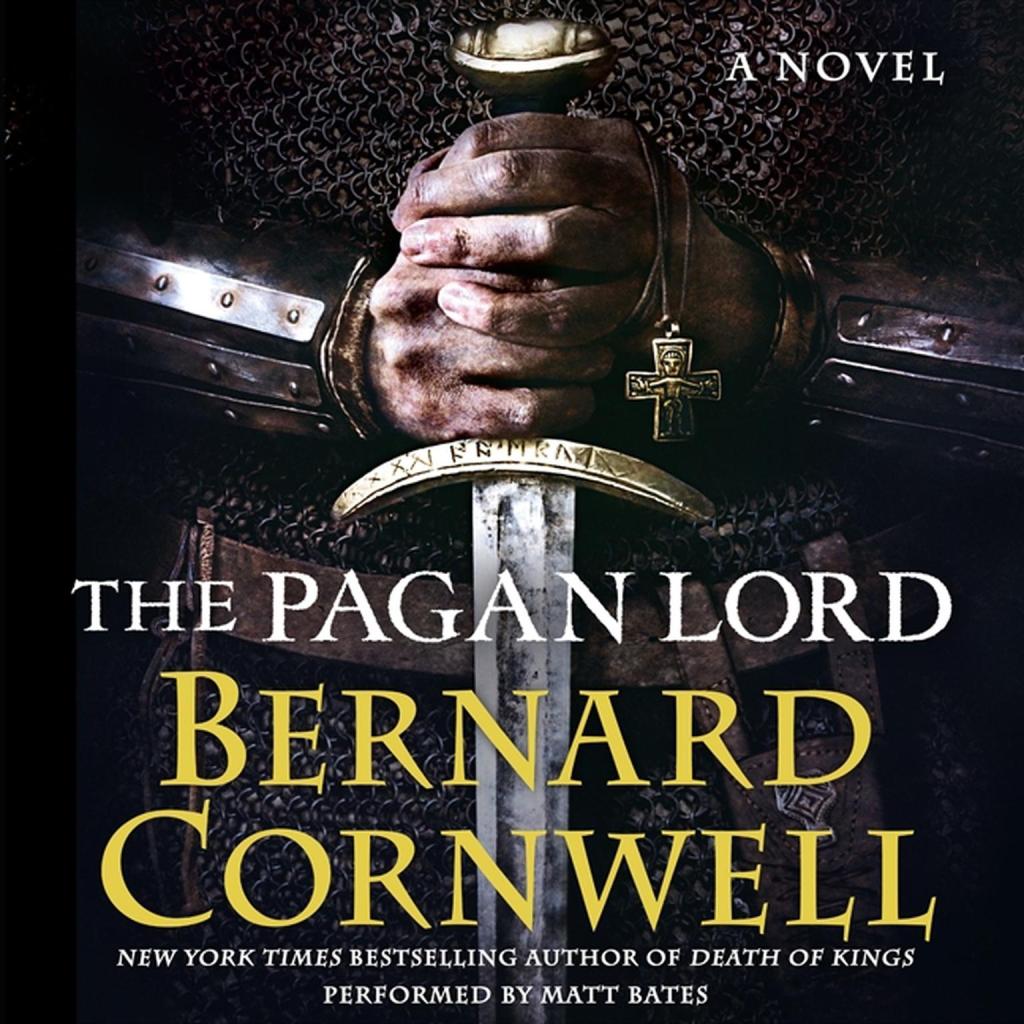
Book Review: THE PAGAN LORD grinds series progression to a halt

The Pagan Lord is the seventh book in The Last Kingdom series by Bernard Cornwell, and this has been my least favorite of the series so far.

This installment has all the trappings of a classic “middle book”: no major plot progression for Uhtred or other main characters, stagnant action that lacks excitement or real stakes, and no new characters to liven up the story.

After several years of relative peace, the Saxons and Danes feel restless and wary for the next war that most don’t truly believe is coming. Uhtred, as always, if on the lookout for the next war, and his instincts end up proving correct.

However, this book feels like a regression for Uhtred as a character, who makes a rash mistake that leads to him being outcast by the Saxon kingdoms. Uhtred is bitter in his old age and still clings to his dream of retaking Bebbanburg, which makes him more desperate than in previous stories.

The wisdom and growth as a leader we had seen from Uhtred in recent stories seems to have eroded, perhaps because he has been rudderless for several years. It is perhaps fitting that this story also feels largely rudderless, like its protagonist, but it does not make for a very enjoyable read.

With both of his sons grown into men, Uhtred’s successes and shortcomings as a father are also on display. He is ashamed of his eldest son for becoming a priest, but his actions are those of a petulant child who did not find his heir in a son whom he largely neglected as a child. His second son is a brave lad eager to prove himself as a warrior, but Uhtred does more to put him down than build him up. Uhtred’s daughter, Stiorra, another child to whom he hasn’t paid much attention, is also notably absent from his life.

This was a decent story, but I’m hoping Uhtred snaps out of his funk. The narrator was okay, but did not bring the same intensity to the story that previous narrators have. Here’s hoping book eight picks up the pace again and Uhtred finds his way.

Steve D